
Introduction: The New Era of Metabolic Drug Discovery
The global landscape of metabolic research has undergone a revolutionary transformation. With obesity affecting over 650 million adults worldwide and type 2 diabetes mellitus (T2DM) reaching pandemic proportions, the demand for novel pharmacological interventions has never been greater . For researchers conducting preclinical and clinical studies, access to high-quality research compounds is the cornerstone of meaningful scientific discovery.
This comprehensive guide provides an in-depth preclinical and pharmacological overview of seven cutting-edge metabolic agents: Acxion (Phentermine), Retatrutide, Saxenda (Liraglutide), Trulicity (Dulaglutide), Zepbound (Tirzepatide), Foundayo (Orforglipron), and Weight Loss Powder Shakes (Meal Replacement formulations). Whether you are investigating GLP-1 receptor agonism, triple hormone receptor activation, or nutritional interventions for weight management, this resource will equip you with the essential facts, safety profiles, and sourcing guidance necessary for your research.
At Peptides Wellness Lab, we understand that reproducibility in metabolic research depends on compound integrity. This guide will help you make informed procurement decisions for your next groundbreaking study.
Section 1: The Science of Metabolic Research – Understanding the Targets
Before diving into individual compounds, it is essential to understand the physiological pathways that modern metabolic drugs target.
1.1 The Incretin Hormone System
The incretin system comprises gut-derived hormones that regulate glucose metabolism and appetite. Three primary hormones are central to current drug development :
| Hormone | Source | Primary Actions | Therapeutic Relevance |
|---|---|---|---|
| GLP-1 (Glucagon-Like Peptide-1) | Intestinal L-cells | Stimulates insulin secretion, suppresses glucagon, delays gastric emptying, reduces food intake | Weight loss, glycemic control, cardiovascular protection |
| GIP (Glucose-Dependent Insulinotropic Polypeptide) | Intestinal K-cells | Stimulates insulin secretion, influences adipose tissue metabolism, enhances bone formation | Weight loss (synergistic with GLP-1), metabolic regulation |
| Glucagon | Pancreatic α-cells | Increases energy expenditure, promotes lipolysis, suppresses appetite | Enhanced weight loss, hepatic steatosis reduction |
GLP-1 receptors are expressed in multiple tissues, including the pancreas, gastric mucosa, kidney, lung, heart, and—critically for appetite regulation—the brain (hypothalamus, amygdala, nucleus accumbens, and brain stem) . This widespread distribution explains both the therapeutic benefits and potential side effect profiles of GLP-1-based therapies.
1.2 The Evolution from Single to Triple Agonists
First-generation GLP-1 receptor agonists (GLP-1 RAs) like liraglutide demonstrated that incretin modulation could produce meaningful weight loss. However, the field has rapidly evolved toward multi-agonists that simultaneously target multiple receptors for enhanced efficacy .
- Dual Agonists (GLP-1/GIP): Tirzepatide (Zepbound)
- Dual Agonists (GLP-1/Amylin): CagriSema
- Triple Agonists (GLP-1/GIP/Glucagon): Retatrutide
- Oral Non-Peptidyl GLP-1 RAs: Orforglipron (Foundayo)
These engineered multi-agonists represent a paradigm shift, mimicking the pleiotropic hormonal responses observed after bariatric surgery but through pharmacological means .
Section 2: Comprehensive Compound Profiles
2.1 Acxion (Phentermine): The Established Sympathomimetic
Drug Class: Sympathomimetic amine anorectic
Mechanism of Action: Phentermine stimulates the release of norepinephrine from the hypothalamus, activating the sympathetic nervous system. This suppresses appetite by acting on the lateral hypothalamic feeding center.
Preclinical Profile:
Phentermine is the oldest agent in this review, with decades of preclinical data. It functions primarily as a noradrenergic reuptake inhibitor and releaser. Unlike GLP-1 agonists, phentermine acts centrally without direct incretin involvement.
Key Research Applications:
- Short-term obesity management studies
- Combination therapy research (e.g., phentermine/topiramate)
- Comparative efficacy studies against newer agents
Safety Considerations:
- Cardiovascular monitoring required (increased heart rate, blood pressure)
- Contraindicated in patients with history of heart disease, stroke, or severe hypertension
- Limited to short-term use (typically ≤12 weeks) due to tolerance development
Researcher’s Note: Phentermine is a controlled substance in many jurisdictions. Ensure proper regulatory compliance for your research protocol.
Source Acxion for your metabolic research: Buy Acxion Online UK
2.2 Retatrutide: The Triple Hormone Receptor Agonist
Drug Class: Triple agonist (GLP-1/GIP/glucagon receptor)
Development Status: Phase III clinical trials (TRIUMPH program)
Administration: Subcutaneous injection, once weekly
Mechanism of Action:
Retatrutide is a first-in-class triple receptor agonist that simultaneously activates GLP-1, GIP, and glucagon receptors . This triple activation creates synergistic effects that exceed those of dual agonists:
- GLP-1 activation: Delays gastric emptying, reduces food intake, stimulates glucose-dependent insulin secretion
- GIP activation: Enhances insulin secretion, influences adipose tissue metabolism, may reduce nausea associated with GLP-1 activation
- Glucagon activation: Increases energy expenditure, promotes lipolysis, reduces hepatic steatosis
Preclinical Efficacy Data:
Animal studies demonstrate retatrutide’s superior efficacy compared to other incretin-based therapies. Key findings include :
- Significant dose-dependent weight reduction
- Improved glycemic control
- Reduction in liver steatosis
- Benefits in diabetic kidney disease models
Clinical Trial Highlights:
Phase I and II trials have shown remarkable results :
- Dose-dependent weight loss exceeding that of existing GLP-1 agonists
- Reductions in HbA1c levels
- Favorable cardiovascular and renal outcomes
Safety Profile:
Common adverse effects are primarily gastrointestinal (nausea, vomiting, diarrhea) and dose-related. Long-term safety data from ongoing Phase III trials (TRIUMPH-1, TRIUMPH-2, TRIUMPH-3) will further characterize the risk-benefit profile .
Research Applications:
- Comparative studies of mono-, dual-, and triple-agonists
- MASLD/MASH research (given glucagon’s hepatic effects)
- Cardiovascular outcome studies
- Long-term weight maintenance investigations
Researcher’s Note: Retatrutide represents the frontier of metabolic pharmacology. Its triple agonist mechanism offers unique research opportunities for understanding receptor cross-talk.
Order Retatrutide for advanced metabolic studies: Buy Retatrutide Online UK
2.3 Saxenda (Liraglutide): The Established GLP-1 RA
Drug Class: GLP-1 receptor agonist
Administration: Subcutaneous injection, once daily (3.0 mg for weight management)
Mechanism of Action:
Liraglutide is a human GLP-1 analog with 97% homology to native GLP-1. A fatty acid side chain (palmitoyl) allows for albumin binding, extending the half-life to approximately 13 hours—sufficient for once-daily dosing .
Preclinical Validation:
Recent preclinical studies using animal models of induced metabolic syndrome have demonstrated liraglutide’s efficacy :
- Body weight reduction: 13.6 ± 2.1% in treated animals
- Glucose level reduction: 18 ± 3% compared to controls
- Triglyceride reduction: 32 ± 12%
- Cholesterol reduction: 16 ± 7%
- Visceral fat mass reduction: 34 ± 4%
These effects were dose-dependent, with the synthetic liraglutide preparation showing comparable efficacy to the reference biologic product .
Research Applications:
- Metabolic syndrome interventions
- Comparative studies of once-daily vs. once-weekly GLP-1 agonists
- Pre-diabetes progression studies
- Cardiovascular outcome research
Safety Considerations:
- Gastrointestinal side effects (nausea, vomiting) are common but diminish over time
- Preclinical studies have noted thyroid C-cell tumors at clinically relevant exposures (rodent-specific)
- Contraindicated in patients with personal/family history of medullary thyroid carcinoma
Researcher’s Note: Saxenda is the highest-dose liraglutide formulation (3.0 mg) specifically approved for weight management, distinct from Victoza (1.2-1.8 mg for diabetes).
Source Saxenda for metabolic research: Buy Saxenda Online UK
2.4 Trulicity (Dulaglutide): The Once-Weekly GLP-1 RA
Drug Class: GLP-1 receptor agonist
Administration: Subcutaneous injection, once weekly (0.75 mg or 1.5 mg)
Mechanism of Action:
Dulaglutide is a human GLP-1 analog engineered as a fusion protein with a modified human immunoglobulin G4 (IgG4) Fc fragment. This structure provides a half-life of approximately 5 days, enabling once-weekly dosing. The molecule activates the GLP-1 receptor, stimulating glucose-dependent insulin secretion and suppressing glucagon release .
Preclinical Research Data:
In mouse metabolic studies using EGFP LDLR -/- mice on high-fat diets (60% kcal from fat), Trulicity demonstrated significant metabolic improvements :
- Reduced circulating cholesterol levels
- Improved insulin sensitivity
- Decreased body weight in diet-induced obesity models
Emerging Research Frontiers:
Recent preclinical research has explored GLP-1 agonists like dulaglutide for applications beyond metabolic disease. Notably, combination studies with buntanetap in Alzheimer’s disease mouse models showed that dulaglutide alone restored cognitive function to 80% of healthy controls—and when combined with buntanetap, cognitive function exceeded that of healthy controls .
The selection of dulaglutide for CNS research was based on its molecular structure; single-chain peptides like dulaglutide demonstrate superior blood-brain barrier permeability compared to bifurcated molecules with side chains .
Research Applications:
- Once-weekly GLP-1 RA comparative studies
- Neurodegenerative disease research (Alzheimer’s, Parkinson’s)
- Cardiovascular outcome studies
- Combination therapy investigations
Safety Profile:
Similar to other GLP-1 RAs, gastrointestinal effects are most common. Dulaglutide has not shown increased risk of pancreatitis or medullary thyroid carcinoma in clinical trials.
Researcher’s Note: Dulaglutide’s BBB permeability makes it uniquely valuable for CNS research applications among GLP-1 agonists.
Acquire Trulicity for your research protocols: Buy Trulicity Online UK
2.5 Zepbound (Tirzepatide): The Breakthrough Dual Agonist
Drug Class: Dual GIP/GLP-1 receptor agonist
Administration: Subcutaneous injection, once weekly
Mechanism of Action:
Tirzepatide is the first approved dual agonist targeting both GIP and GLP-1 receptors. This dual activation produces superior metabolic outcomes compared to GLP-1 selective agonism alone. GIP’s ability to reduce the nausea often associated with GLP-1 activation may explain tirzepatide’s favorable tolerability profile .
Breakthrough Clinical Data:
The SURMOUNT-1 trial and its extension study have produced remarkable findings :
- Weight loss: 15% to 22.5% of initial body weight at 72 weeks (dose-dependent)
- Diabetes prevention: 93% reduction in progression to type 2 diabetes in prediabetic patients over 176 weeks
- Only 1.3% of tirzepatide-treated participants progressed to T2DM vs. 13.3% on placebo
- Glycemic control: >90% of patients achieved normal HbA1c levels vs. 59% on placebo
Preclinical Rationale:
The dual agonist approach was developed based on understanding that GLP-1 and GIP have complementary effects on energy homeostasis. Preclinical studies demonstrated that combined GIP/GLP-1 activation produces greater weight loss than either agonist alone.
Safety Profile:
- Common GI side effects (nausea, vomiting, diarrhea) diminish over time
- No new safety signals identified in long-term extension studies
- Some weight regain occurs upon discontinuation, suggesting ongoing treatment may be required for sustained effects
Research Applications:
- Comparative studies: dual agonist vs. GLP-1 selective agonists
- Diabetes prevention research
- Long-term weight maintenance protocols
- Cardiovascular and renal outcome studies
- Combination therapy investigations
Researcher’s Note: Zepbound’s 93% diabetes risk reduction represents a potential paradigm shift in prediabetes management—this agent could become the first approved treatment for prediabetes.
Source Zepbound for metabolic research: Buy Zepbound Online UK
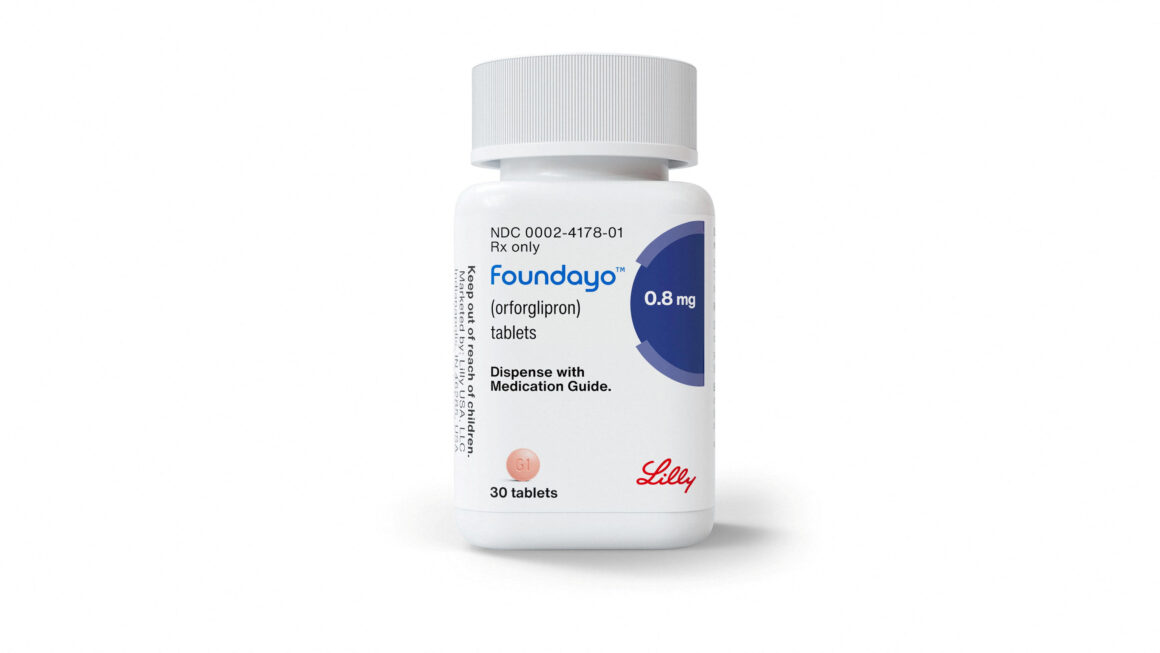
2.6 Foundayo (Orforglipron): The First Oral Non-Peptidyl GLP-1
Drug Class: Oral small-molecule GLP-1 receptor agonist (non-peptidyl)
Development Status: FDA approved April 2026
Administration: Once-daily oral tablet
Groundbreaking Approval:
On April 1, 2026, the U.S. FDA approved Foundayo (orforglipron) as a once-daily oral treatment for obesity in adults. This represents the second oral GLP-1 agonist approved in the U.S., following Novo Nordisk’s oral semaglutide (December 2025) .
Origin and Development:
Foundayo was discovered by Chugai Pharmaceutical and licensed to Eli Lilly in 2018. Unlike peptide-based GLP-1 agonists (which require injection or complex oral formulations), orforglipron is a small-molecule non-peptidyl agonist that can be formulated as a simple oral tablet .
Phase III ATTAIN Clinical Trial Data:
The ATTAIN-1 trial demonstrated :
- Weight loss: 27.3 pounds (12.4 kg, 12.4%) at the highest dose after 72 weeks vs. 2.2 pounds (1.0 kg, 0.9%) for placebo
- Cardiovascular benefits: Reductions in waist circumference, non-HDL cholesterol, triglycerides, and systolic blood pressure observed across all doses
Preclinical Significance:
The development of non-peptidyl GLP-1 agonists represents a major advancement. Traditional GLP-1 agonists are peptides requiring strict cold-chain storage and injection. Small-molecule agonists offer :
- Simplified manufacturing (chemical synthesis vs. biotechnological production)
- Potential for improved oral bioavailability
- Reduced immunogenicity risk
- Lower production costs
Research Applications:
- Oral vs. injectable GLP-1 RA comparative studies
- Adherence-focused research (oral formulations improve compliance)
- Small-molecule GLP-1 agonist pharmacology
- Combination therapy with other oral agents
Availability and Access:
For U.S. patients, Foundayo is available through LillyDirect with pricing :
- Private insurance: $25/month with savings card
- Medicare Part D (July 2026): $50/month
- Cash pay: Starting at $149/month for the minimum dose
Researcher’s Note: Foundayo represents a paradigm shift toward oral, small-molecule GLP-1 agonism. This may significantly impact treatment accessibility and adherence in real-world populations.
Order Foundayo for oral GLP-1 research: Buy Foundayo Online UK
2.7 Weight Loss Powder Shakes (Meal Replacement Formulations)
Drug Class: Medical food / Meal replacement
Administration: Oral (mixed with water or milk)
Definition and Purpose:
Weight loss powder shakes are not pharmaceutical drugs in the traditional sense but are classified as medical foods or dietary supplements. They are formulated to provide controlled caloric intake (typically 200-400 kcal per serving) with specific macronutrient profiles optimized for satiety and muscle preservation during caloric restriction .
Preclinical and Clinical Evidence:
A recent randomized controlled trial (Scientific Reports, Nature) investigated protein-enriched intermittent meal replacement (IMR) combined with moderate-intensity continuous training (MICT) in overweight women :
Study Design: 8-week parallel RCT
Intervention: Dinner replaced with protein-enriched shake 3 non-consecutive days per week, plus 40-minute MICT sessions
Key Findings (MICT+IMR vs. MICT alone):
| Outcome | MICT+IMR Group | MICT Group | P-value |
|---|---|---|---|
| Body weight reduction | -3.70 kg | -1.17 kg | <0.001 |
| Body fat mass reduction | -2.25 kg | -1.19 kg | <0.001 |
| Fasting blood glucose | Significant improvement | Minimal change | – |
| Insulin levels | Significant improvement | Minimal change | – |
Mechanism of Action:
Meal replacement shakes facilitate weight loss through multiple mechanisms :
- Caloric control: Predetermined caloric content removes portion estimation errors
- Protein-induced satiety: High-quality protein (≥1 g/kg body weight) promotes fullness
- Muscle preservation: Adequate protein during caloric restriction minimizes lean mass loss
- Convenience: Simplifies dietary adherence compared to complex meal planning
Formulation Considerations for Research:
Key components of effective weight loss shakes include :
- Protein content: 20-30g per serving (whey, casein, soy, or plant-based blends)
- Caloric content: 200-400 kcal per serving
- Fiber: 5-10g for satiety and glycemic control
- Vitamins/minerals: Micronutrient fortification to prevent deficiency during restriction
Research Applications:
- Comparative studies: meal replacement vs. whole-food diets
- Adjunct therapy to GLP-1 agonists (combination research)
- Intermittent fasting protocols
- Lifestyle intervention studies
- Obesity pharmacotherapy augmentation trials
Researcher’s Note: Meal replacement shakes are valuable control interventions in obesity research and may serve as adjuncts to pharmacological agents. Their standardized composition reduces dietary variability in clinical trials.
Source Weight Loss Powder Shakes for your research: Buy Weight loss powder shake
Section 3: Comparative Pharmacology – Choosing the Right Agent for Your Research
3.1 Mechanism-Based Selection Guide
| Research Focus | Recommended Agent(s) | Rationale |
|---|---|---|
| Maximum weight loss efficacy | Retatrutide or Zepbound | Triple/dual agonism provides superior weight reduction |
| Oral administration studies | Foundayo or Weight loss shake | Oral formulations avoid injection variables |
| CNS/neurodegeneration research | Trulicity (Dulaglutide) | Superior BBB penetration among GLP-1 agonists |
| Diabetes prevention | Zepbound (Tirzepatide) | 93% risk reduction in SURMOUNT-1 extension |
| Hepatic steatosis/MASLD | Retatrutide | Glucagon component directly targets liver fat |
| Short-term studies | Acxion (Phentermine) | Rapid onset, established safety profile |
| Lifestyle combination trials | Weight loss powder shake | Standardized nutritional intervention |
| Comparative mechanism studies | Saxenda vs. Trulicity | Once-daily vs. once-weekly GLP-1 agonism |
3.2 Efficacy Comparison (Weight Loss)
Based on available clinical trial data :
| Agent | Mechanism | Expected Weight Loss | Administration |
|---|---|---|---|
| Acxion (Phentermine) | Sympathomimetic | 5-10% | Daily oral |
| Saxenda (Liraglutide 3.0mg) | GLP-1 RA | 8-10% | Daily SC injection |
| Trulicity (Dulaglutide 1.5mg) | GLP-1 RA | 5-8% | Weekly SC injection |
| Zepbound (Tirzepatide) | GIP/GLP-1 dual | 15-22.5% | Weekly SC injection |
| Retatrutide | GLP-1/GIP/glucagon triple | >22% (estimated) | Weekly SC injection |
| Foundayo (Orforglipron) | Oral GLP-1 RA | 12-15% | Daily oral |
| Weight loss shake | Dietary intervention | 5-10% (with exercise) | Daily oral (meal replacement) |
Section 4: Safety and Toxicology Considerations for Researchers
4.1 GLP-1 Receptor Agonist Class Effects
The GLP-1 receptor agonist class (Saxenda, Trulicity, Zepbound, Retatrutide, Foundayo) shares certain safety considerations :
Gastrointestinal Effects:
- Most common: nausea, vomiting, diarrhea, constipation
- Dose-dependent and typically diminish over time
- Can be mitigated with dose titration
Thyroid C-cell Tumors:
- Preclinical studies in rodents have shown dose- and duration-dependent increases in medullary thyroid carcinoma
- This effect appears rodent-specific but contraindicates use in patients with personal/family history of MEN-2 or MTC
- Long-term human studies continue to monitor this signal
Pancreatitis:
- Rare but serious adverse event
- Preclinical models should monitor pancreatic enzyme levels
- Mechanism may relate to GLP-1 receptor expression on pancreatic ducts
Gallbladder Disease:
- Increased risk of cholelithiasis (gallstones) due to rapid weight loss
- Preclinical models of rapid weight reduction should assess gallbladder pathology
4.2 Unique Safety Considerations by Agent
| Agent | Specific Safety Consideration |
|---|---|
| Acxion (Phentermine) | Cardiovascular monitoring required; contraindicated in uncontrolled hypertension, heart disease |
| Retatrutide | Triple agonist; glucagon component may increase heart rate more than GLP-1 alone |
| Foundayo | Novel small-molecule agonist; long-term safety data still accruing |
| Weight loss shakes | Nutritional adequacy; risk of micronutrient deficiency if used exclusively long-term |
4.3 Cancer Risk: Current Evidence
A comprehensive 2025 review in the Journal of Clinical Investigation examined GLP-1 receptor agonists and cancer risk . Key conclusions:
- With few exceptions, recent meta-analyses report that GLP-1 receptor therapies do not increase cancer incidence
- Some studies suggest potential risk reduction for certain malignancies
- Preclinical studies reinforce anticancer effects, even in non-obese models
- Immune-modulating effects of GLP-1 agonists have been reported in preclinical cancer studies
Section 5: Sourcing Considerations for Researchers
5.1 Quality Attributes for Research Compounds
When procuring metabolic research compounds, verify the following:
| Attribute | Specification | Verification Method |
|---|---|---|
| Purity | ≥98% (typically ≥99% for peptides) | HPLC chromatogram |
| Identity | Correct molecular weight | Mass spectrometry |
| Peptide content | Net peptide content vs. salt/counterion | Amino acid analysis |
| Endotoxin levels | <1 EU/mg for in vivo studies | LAL test |
| Sterility | Sterile filtration (0.22μm) | Culture-based testing |
| Storage conditions | Temperature, light, humidity requirements | Certificate of Analysis |
5.2 Peptide Synthesis Considerations
For peptide-based agents (Retatrutide, Saxenda, Trulicity, Zepbound), synthesis method affects product quality:
- Solid-phase chemical synthesis eliminates spontaneous amino acid substitutions and characteristic impurities of biotechnological synthesis
- Synthetic GLP-1 analogs have demonstrated comparable efficacy to biologic reference products in preclinical studies
5.3 Stability and Handling
| Agent | Storage Requirement | Notes |
|---|---|---|
| Peptide GLP-1 agonists (Saxenda, Trulicity, Zepbound, Retatrutide) | 2-8°C (refrigerated) | Do not freeze; protect from light |
| Foundayo (Orforglipron) | Room temperature | Small molecule, stable |
| Acxion (Phentermine) | Room temperature | Standard pharmaceutical storage |
| Weight loss powder shakes | Cool, dry place | May degrade in humidity |
Section 6: Linking Research to Clinical Translation
6.1 The Bariatric Surgery Mimicry Hypothesis
Multi-agonist therapies like retatrutide and tirzepatide are hypothesized to mimic the hormonal changes observed after bariatric surgery . Post-surgical patients exhibit elevated levels of GLP-1, GIP, PYY, and other gut hormones that collectively produce profound metabolic improvements. Pharmacological multi-agonists aim to achieve similar effects without surgical intervention.
6.2 Beyond Weight Loss: Pleiotropic Effects
Emerging research suggests GLP-1-based therapies have benefits extending beyond weight reduction and glycemic control :
- Cardiovascular: Reduced major adverse cardiovascular events (MACE), heart failure hospitalization
- Renal: Slowed progression of diabetic kidney disease
- Hepatic: Reduced liver fat, improvement in MASLD/MASH
- Neurodegenerative: Potential cognitive benefits (under investigation)
- Inflammatory: Immune-modulating effects
Section 7: Complete Product Sourcing List
For all your metabolic research compound needs, Peptides Wellness Lab provides high-purity, rigorously tested research compounds.
Direct Product Links:
- Buy Acxion Online UK
- Buy Retatrutide Online UK
- Buy Saxenda Online UK
- Buy Trulicity Online UK
- Buy Weight loss powder shake
- Buy Zepbound Online UK
- Buy Foundayo Online UK
Conclusion: The Future of Metabolic Research
The metabolic drug landscape has transformed dramatically. From the sympathomimetic appetite suppression of Acxion to the triple hormone receptor activation of Retatrutide; from the once-daily GLP-1 agonism of Saxenda to the once-weekly convenience of Trulicity; from the breakthrough dual agonism of Zepbound to the first oral small-molecule GLP-1 agonist Foundayo—researchers now have an unprecedented toolkit for investigating obesity and metabolic disease.
The recent FDA approval of Foundayo in April 2026 marks a pivotal moment: oral, non-peptidyl GLP-1 agonism is now a reality, potentially transforming treatment accessibility . Meanwhile, triple agonists like retatrutide continue to push the boundaries of achievable weight loss .
For the research community, these advances bring both opportunities and responsibilities. Rigorous preclinical studies will determine long-term safety profiles, optimal dosing strategies, and patient populations most likely to benefit. The integration of pharmacological interventions with lifestyle modifications—including evidence-based meal replacement strategies—remains a critical area of investigation .
As you design your next metabolic study, remember that compound quality directly impacts data integrity. Peptides Wellness Lab is committed to providing the high-purity research compounds you need to advance scientific discovery.